Explore the beauty of Igor Shulman’s 2009 collection of original oil and watercolor paintings. This archive features expressive figurative works, intimate portraits, ballet-inspired compositions, and dynamic musician scenes. Each painting conveys unique stories and emotions.
2009 Archive of Original Oil Paintings
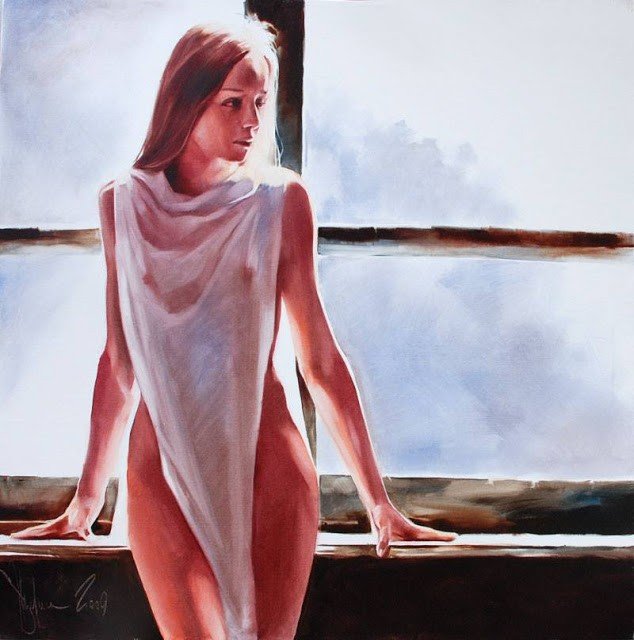
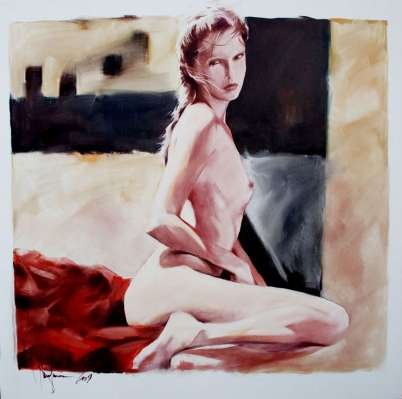
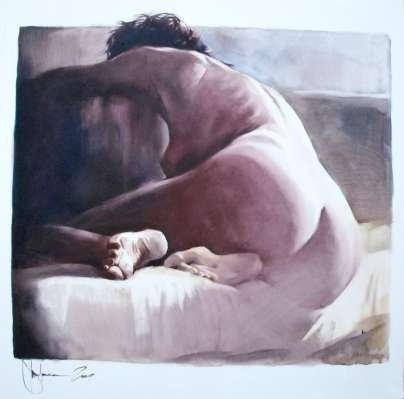
The 2009 archive includes thematic collections: Men Collection, Ambiance Collection, Musician Collection, Ballet Collection, and Erotic & Nude Paintings. Each series demonstrates Shulman’s mastery of Realism, Impressionism, Expressionism, and Modern Figurative styles.
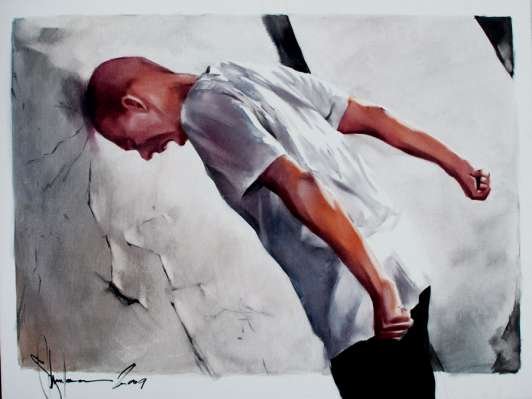
Crisis 39.4 W x 27.6 H in / 100 x 70 cmThe Last Photo 39.4 W x 27.6 H in / 100 x 70 cm It’s in Paris right now. See more about this painting
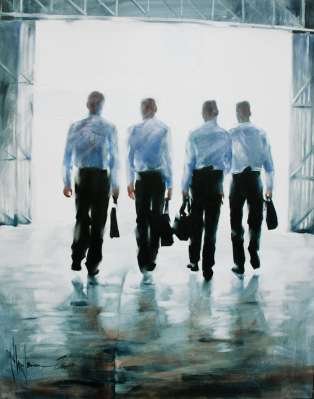
Men Collection – Igor Shulman speaks about his collection of paintings featuring men, stating that it is simpler for him to draw men than women. He explains that women are a mystery, while there is nothing magical or incredible about men. As a result, he tends to paint women more frequently, but still enjoys drawing men occasionally.
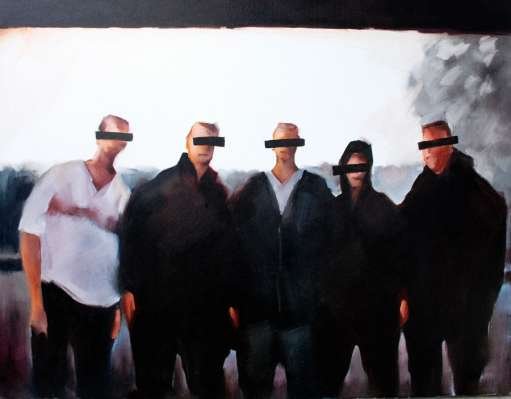
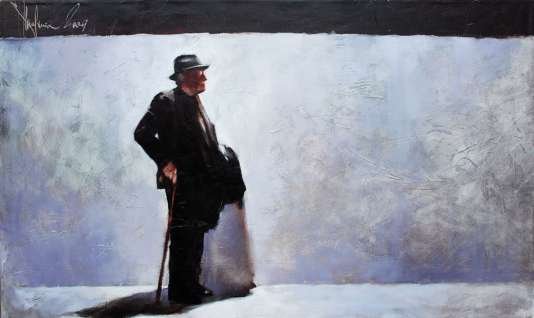
Done Fabriano 39.4 W x 27.6 H in / 100 x 70 cmLast Meeting 39.4 W x 27.6 H in / 100 x 70 cmNight Walk 31.5 W x 31.5 H in / 80 x 80 cmMy Saint Petersburg 39.4 W x 27.6 H in / 100 x 70 cm
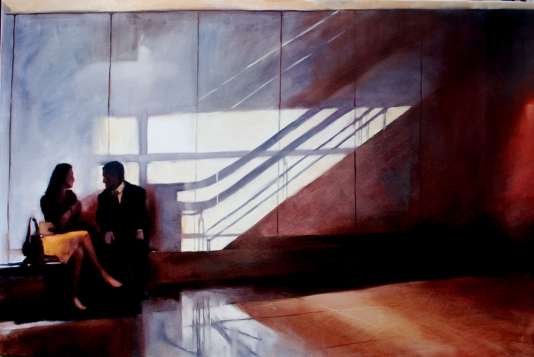
The Ambiance Collection of paintings by the artist aims to immerse the viewer in the painting’s atmosphere and evoke emotions. Each painting has a unique history and world that only the viewer can understand and connect with.
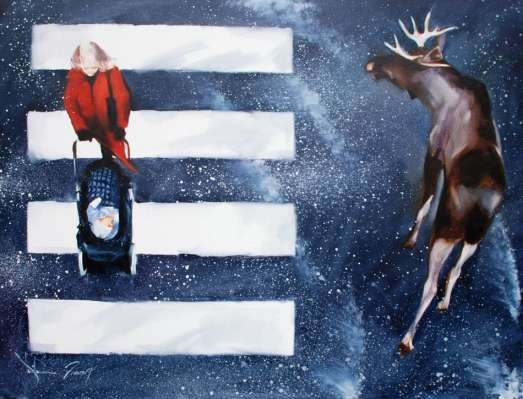
Trafic 39.4 W x 39.4 H in / 100 x 100 cm Alternative painting name is Intermission, 2015
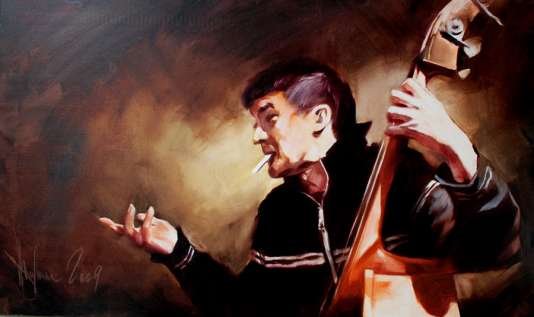
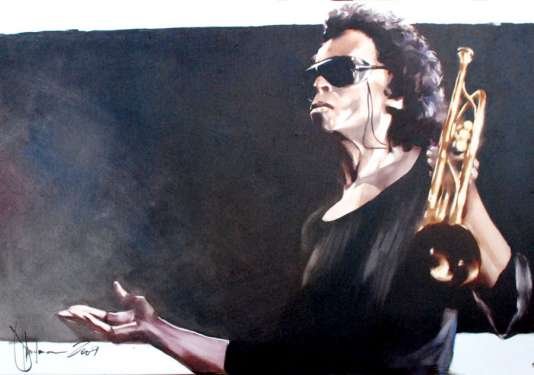
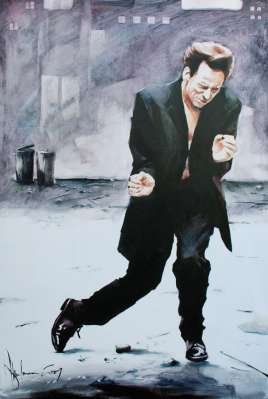
Musician collection – it is a series of funny and touching cartoons featuring his musician friends after realizing his enjoyment in drawing cartoons. The main focus is on the musicians.
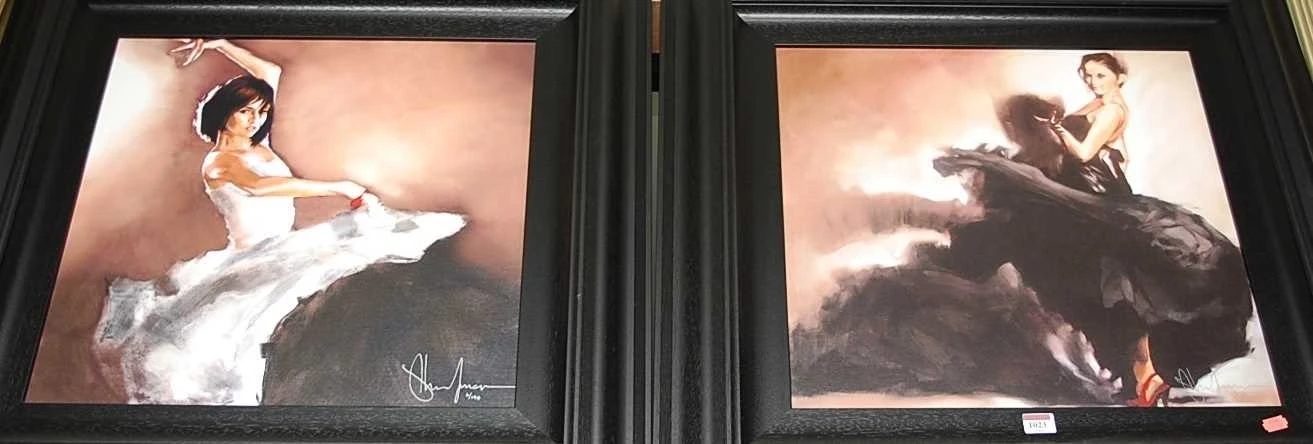
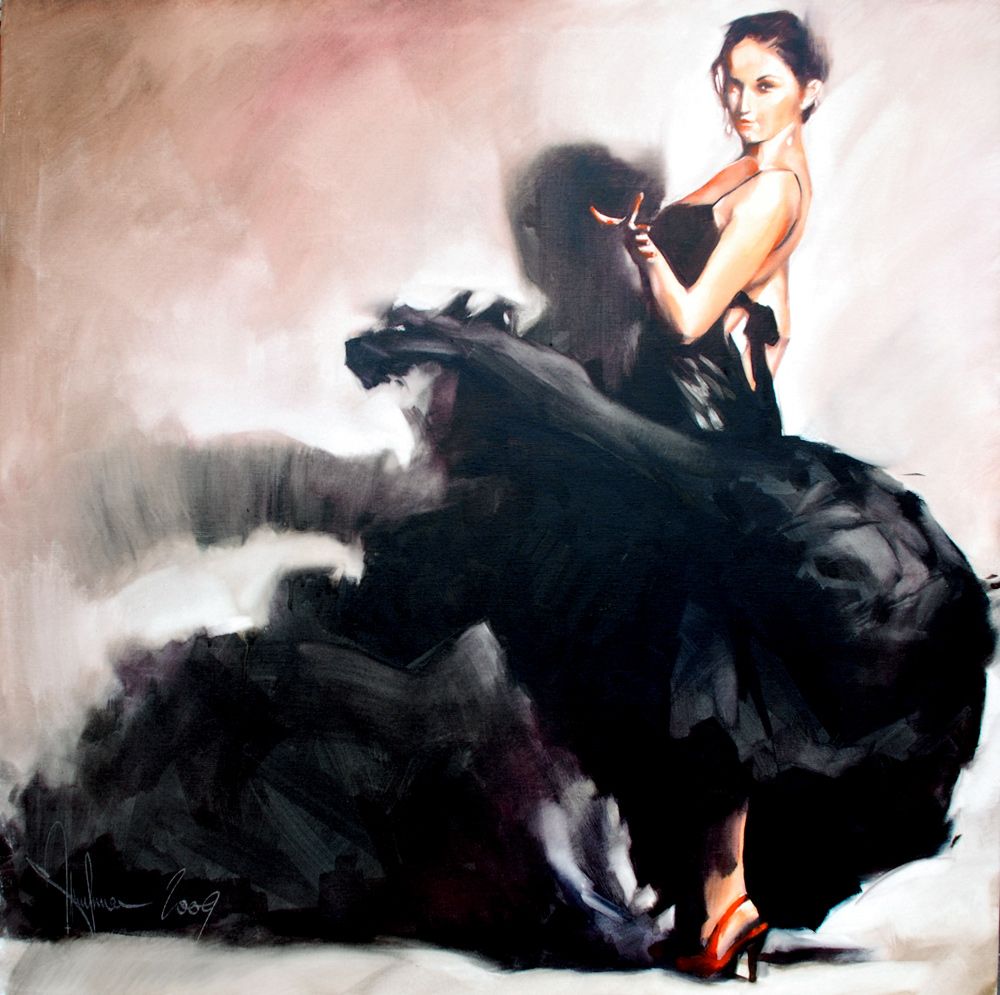
Repetition 39.4 W x 27.6 H in / 100 x 70 cmJazz 39.4 W x 27.6 H in / 100 x 70 cmRock in Roll Live 35.43 W x 47.24 H in / 90 x 120 cmPassion Latina I and Passion Latina IIPassion Latina II, Tango in Black Dress (alt.name), The Samba (alt.name) 39.4 W x 39.4 H in / 100 x 100 cm Sold lot #1023 on Auction: mutualart.comGloria Dancing 34.65 W x 46 H in / 88 x 117 cm Lot #374 on auction: mutualart.com
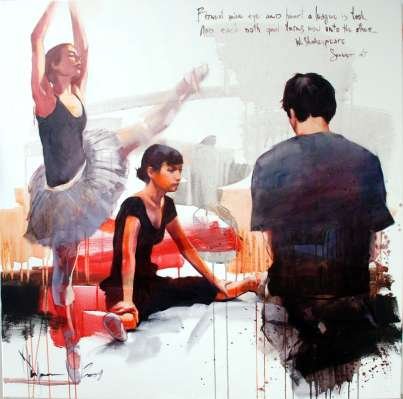
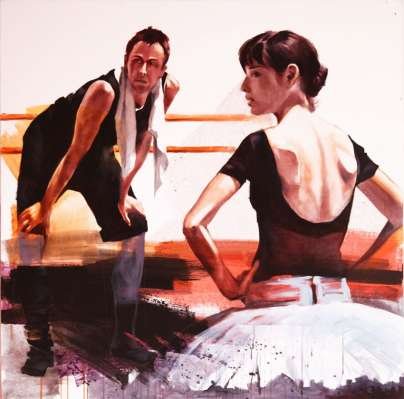
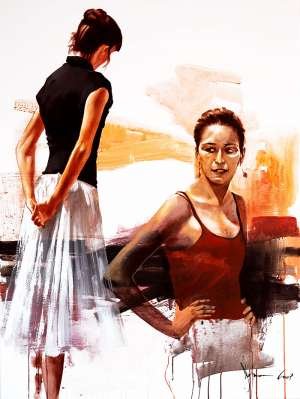
The Ballet Collection is a series of paintings inspired by the artist’s immersion in the world of ballet, thanks to his friendship with dancers in Prague. He found the experience of discovering a new world parallel to his own very intriguing and began to paint ballet. The text ends with a teaser for the second part of the story.
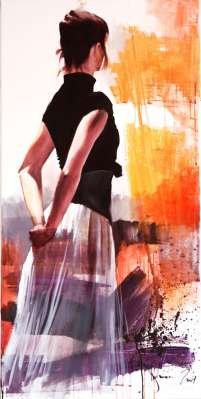
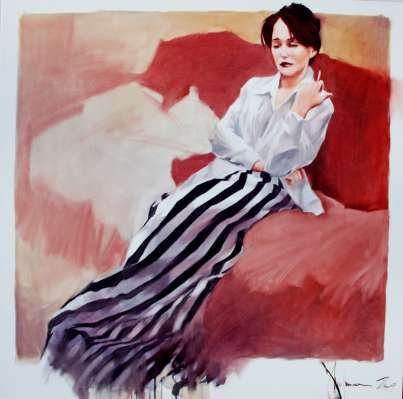
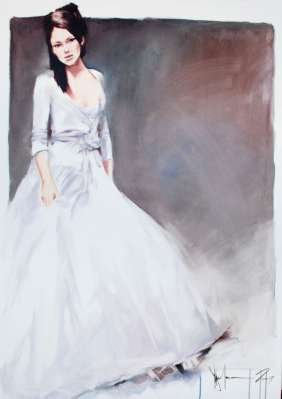
The Ballet №21 39.4 W x 39.4 H in / 100 x 100 cmThe Ballet №24 23.62 W x 55.12 H in / 60 x 140 cmThe Ballet №31 39.4 W x 39.4 H in / 100 x 100 cmThe Ballet №33 35.43 W x 47.24 H in / 90 x 120 cmRed Sofa 39.4 W x 39.4 H in / 100 x 100 cmThe Bride 27.56 W x 39.37 H in / 70 x 100 cmNika 39.4 W x 39.4 H in / 100 x 100 cmAkt №50 39.4 W x 39.4 H in / 100 x 100 cmAkt №51 39.4 W x 39.4 H in / 100 x 100 cm
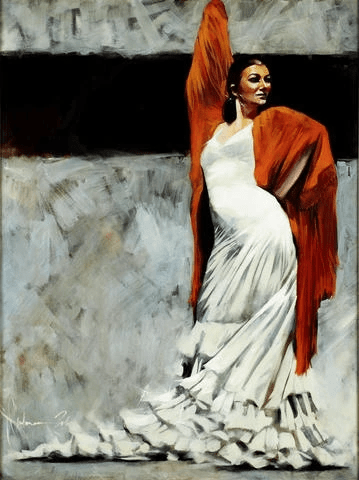
Themes: Flamenco, Dance, Passion, Woman in White Dress, Performance, Movement, Energy, Discipline, Intensity, Stage, Spanish Dance, Expressive, Emotional Depth, Concentration, Artistic Grace, Cultural Expression
⧉
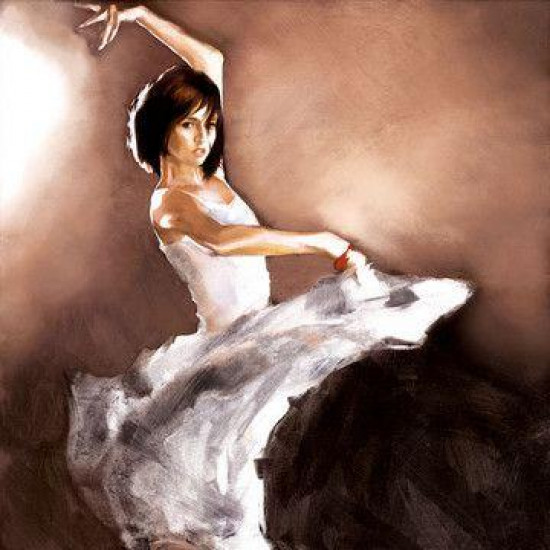
Pation Latina I
19.69 H x 19.69 W x 1.97″ x / 50 H x 50 W x 5 cm
Also known as Flamenco
“Pation Latina I (also known as Flamenco)” by Igor Shulman captures the intensity and elegance of a flamenco dancer caught in a moment of poised movement. At the center is a young woman in a flowing white dress, her posture strong and commanding. One arm rises overhead, the other rests near her hip, embodying both control and passion. Her dark hair frames a concentrated, determined expression, while a faint red accent at her wrist adds a touch of fire to the otherwise restrained palette.
The background is subdued, rendered in warm, earthy browns with soft blending that suggests the dim light of a stage or studio. This neutrality heightens the presence of the dancer, who appears illuminated from above, her dress glowing against the shadowed backdrop. The brushwork alternates between smooth passages in the background and more gestural strokes in the folds of the dress, lending a sense of rhythm and motion to the composition.
The mood is one of concentrated passion, evoking both discipline and emotional intensity. The dancer’s stance suggests not just performance but a private act of devotion to her art. The restrained colors and dramatic pose elevate the scene beyond simple representation, transforming it into a meditation on human energy, discipline, and grace. Symbolically, the white dress carries associations of purity and transcendence, while the flamenco itself stands as a metaphor for resilience, freedom, and expressive power.
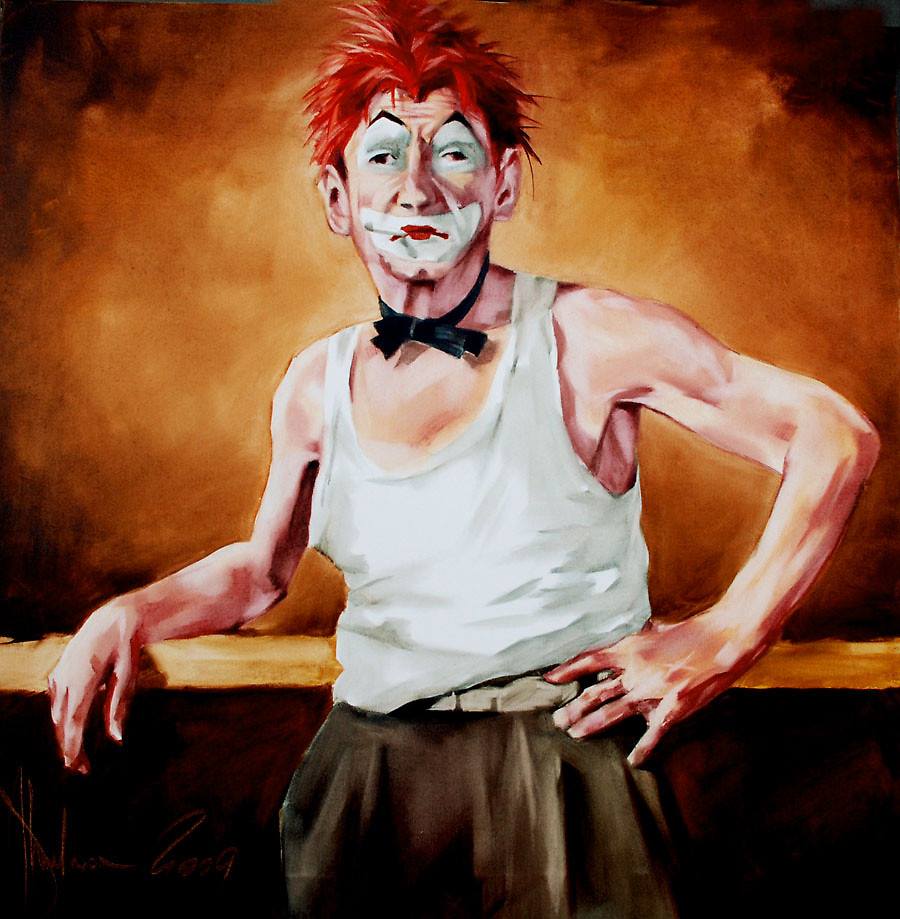
This original oil painting presents a solitary elderly clown, captured in a moment of quiet introspection. The main subject is a lean, aged performer whose face bears the lines and wrinkles of a life lived. His spiky red hair contrasts with the pale white makeup, red lips, and subtle black outlines around his eyes, highlighting both his outward persona and the vulnerability beneath the costume. He wears a simple white tank top, olive-green trousers, and a dark bow tie, slightly rumpled, emphasizing a casual, lived-in presence.
The setting is minimal, with a muted wash of warm browns and oranges forming the background. The low-key light softly models his features, casting gentle shadows that accentuate the textures of skin and clothing. This sparse, subdued space draws attention to the clown, isolating him in a reflective, almost melancholic atmosphere.
Shulman employs a realist style with expressive touches of impressionism, using visible brushstrokes and subtle tonal shifts to convey depth and texture. The careful balance of detail and painterly freedom allows both form and mood to emerge naturally.
The mood is contemplative and intimate, evoking a mixture of weariness, quiet strength, and resilience. The elderly clown, traditionally a figure of joy, here embodies the passage of time, the bittersweet nature of performance, and the dignity of experience. His posture and gaze suggest reflection on a long life of work, with the juxtaposition of mask and reality symbolizing the contrast between external presentation and internal truth. The painting explores themes of aging, mortality, endurance, and the quiet perseverance of spirit.
ℹ
Subject: People and Portraits, Men
Style: Expressionism
Medium: Oil on Canvas
Themes: Clown, Performer, Portrait, Profile View, Old Man, Contemplation, Melancholy, Solitude, Stage Makeup, Striped Scarf, Chiaroscuro, Dark Palette, Deep Violet, Smoke, Thoughtful Mood, Private Moment, Figurative Realism, Psychological Portrait, Contemporary Interior Art
⧉
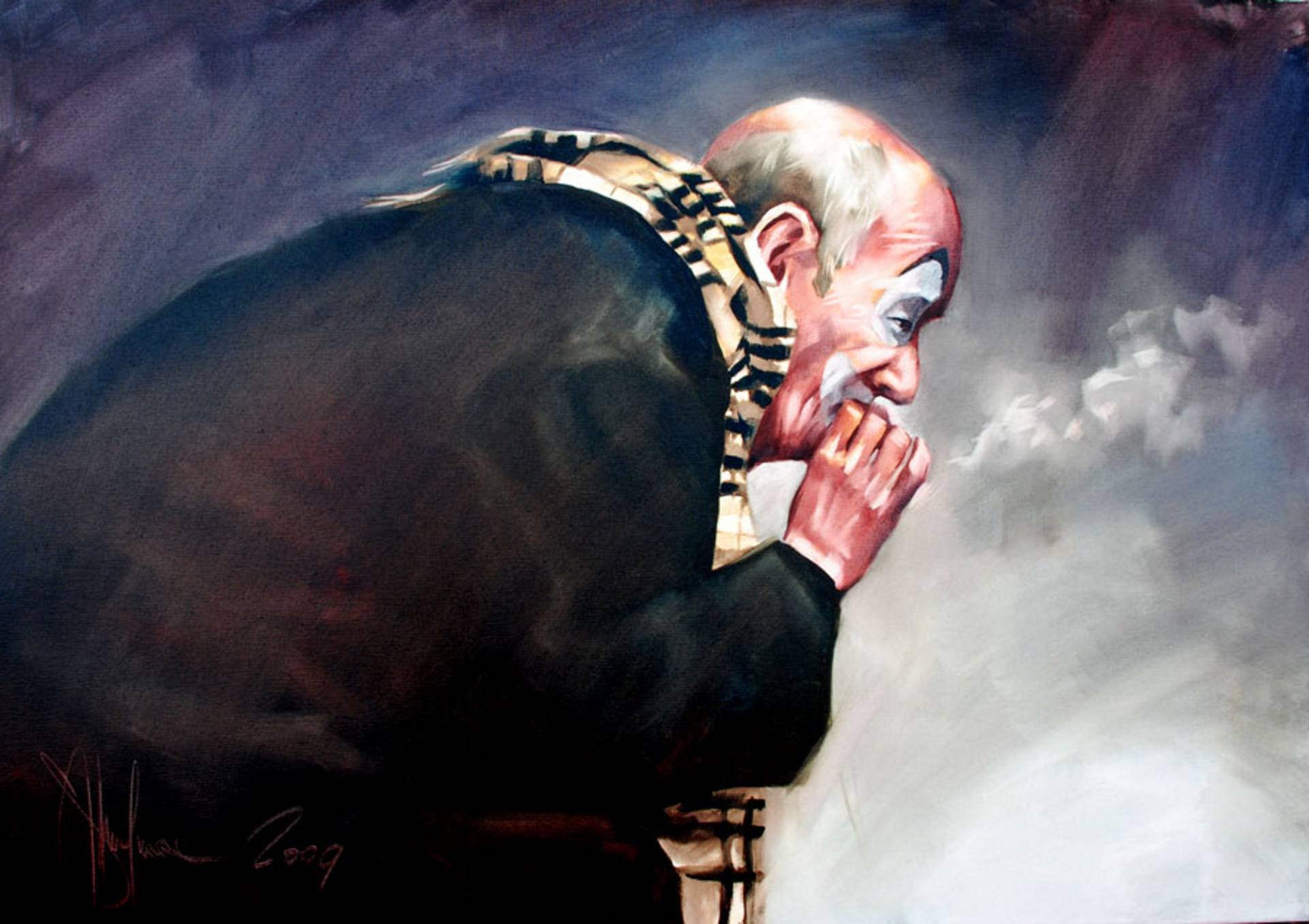
Konstantin
This 2009 portrait titled Konstantin, part of an ongoing series focusing on stage performers, presents an intimate profile study of an elderly clown. The figure is shown from the shoulders up, hunched slightly forward with his right hand resting against his chin in a classic posture of deep contemplation. Traces of traditional stage makeup remain around his eyes and jawline, contrasting against his pale skin, thinning white hair, and the deeply creased lines of an aged face. He wears a heavy, dark jacket paired with a patterned black and tan striped scarf draped loosely over his shoulder.
The background is executed with loose, sweeping brushwork that shifts from dark violet and deep indigo on the left into lighter, smoky greys on the right. A soft, hazy plume of smoke or mist drifts past the clown's face, introducing a sense of transience to the scene. Shulman directs a soft light source onto the front of the figure, illuminating the subtle transitions of the skin tones and the geometric pattern of the textile while leaving the back of his coat enveloped in heavy shadow. The sharp focus on the facial features and hand gestures contrasts with the fluid, painterly handling of the surrounding negative space. This contemporary figurative painting balances realism with expressive texture, capturing the quiet dignity, physical weariness, and emotional solitude of a private moment behind a public persona.
ℹ
Subject: People and Portraits, Men
Style: Realism
Medium: Oil on Canvas
Themes: Clown, Backstage, Musician, Performer, Shaved Head, Profile Portrait, Cigarette, Smoking, Theatrical Makeup, Red Lipstick, Isolation, Vulnerability, Low Light, Dark Background, Square Canvas, Hand Gesture, Psychological Portrait, Contemporary Realism, Collector Art
⧉
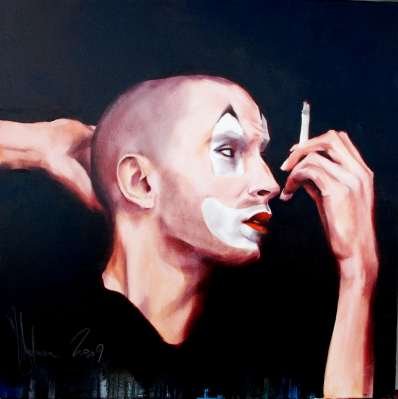
Roman
27.56 H x 27.56 W x 1.97″ x / 70 H x 70 W x 5 cm
This 2009 square-format oil painting, titled Roman, offers a compelling psychological study of a stage performer in a moment of rest. The composition focuses on a young man with a shaved head shown in profile, dressed in a simple black garment. He wears dramatic clown makeup consisting of stylized white fields over his eye and mouth, finished with sharp red lipstick. Rather than projecting comedic energy, his downcast gaze and soft facial expression signal heavy weariness and internal retreat. In his raised right hand, he holds a lit cigarette between his fingers, its slender shape echoing the elegant lines of his hand. From the left edge of the frame, a second hand reaches into the composition to touch the back of the performer's head, implying the presence of a stage assistant or a moment of external intervention.
Shulman sets the figure against an oppressive, flat black background that completely isolates the subject, heightening the intimacy of the scene. Along the absolute bottom edge, faint vertical strokes of deep blue and grey hint at a distant, out-of-focus cityscape or stage structure. The light source strikes the figure from the side, casting precise highlights across his features, the smooth surface of his skull, and the tendons of his raised arm. The artist employs smooth, refined brushwork to render the lifelike textures of skin and theatrical greasepaint with sculptural clarity. This contemporary figurative painting strips away the illusion of the stage, leaving a raw, honest reflection on identity, the burden of a public persona, and personal solitude.
The Coming... presents a solitary female figure emerging from a largely abstract field of pale, smoky forms. Her face appears at the centre of the composition, surrounded by dark hair, while both arms extend outward toward the edges of the canvas. Much of the figure's body remains concealed within layers of white, grey and muted blue paint, creating the impression that she is appearing from — or disappearing into — an indistinct atmosphere.
The composition is built around a strong contrast between the dark horizontal and irregular forms in the upper and middle sections and the much lighter passages that dominate the lower part of the painting. The woman's face provides the clearest point of definition. Her eyes are closed or lowered, giving the figure a quiet, inward quality despite the expansive gesture of her outstretched arms.
Shulman uses expressive, gestural brushwork throughout the painting. Broad passages of white and pale blue are layered with darker grey, charcoal and blue-black marks, while scratches, linear marks and irregular edges remain visible across the surface. The background does not describe a clearly identifiable location. Instead, it functions as an atmospheric space in which the figure seems to materialise.
The horizontal structure of the composition creates an unusual tension. Dark bands cross behind and around the figure, while lighter areas break through them in irregular shapes. This gives the painting a sense of movement without relying on a conventional narrative scene. The woman's extended arms become the main directional elements, opening the composition outward from the central face.
The title The Coming..., translated from Shulman's original Russian title «Приход...», deliberately remains unfinished. Rather than explaining what is arriving or appearing, the title leaves the subject open to interpretation. Combined with the partially obscured figure and atmospheric setting, the unfinished phrase reinforces the painting's sense of anticipation and emergence.
As an original 2009 figurative painting by Igor Shulman, The Coming... demonstrates his interest in combining recognizable human forms with loose, atmospheric passages of paint. The work sits between figurative painting and abstraction, allowing the figure to remain clearly present while much of the surrounding space is deliberately unresolved.
ℹ
Subject: People and Portraits, Women
Style: Realism
Medium: Oil on Canvas
Themes: Woman in Profile, Historical Portrait, Confinement, Solitude, Light and Shadow, Chiaroscuro, Dark Interior, Profile Portrait, Upward Gaze, Female Figure, Dramatic Lighting, Shadow Bars, Psychological Portrait, Muted Colors, Brown and Purple Tones, Figurative Realism, Atmospheric Interior, Contemplation
⧉
Princess Tarakanova
Princess Tarakanova presents a solitary woman in profile, facing left against a dark, undefined background. Her face is illuminated selectively, drawing attention to her upward gaze, while much of the figure remains concealed in shadow. Vertical dark bars cross the composition, partially obscuring her face and clothing and creating a strong visual structure between the viewer and the subject.
The restricted palette is built around deep browns, muted reds and purples, with lighter tones concentrated on the woman's face and patterned dress. The contrast between illuminated areas and darkness gives the original oil painting a quiet, enclosed atmosphere. Rather than providing a clearly defined interior or exterior setting, Shulman leaves the surrounding space largely open and atmospheric.
The painting demonstrates the artist's interest in light as a compositional element. Broad areas of shadow are balanced by smaller passages of carefully observed detail, particularly around the face, hair and clothing. Visible brushwork in the darker areas gives the surface a tactile quality, while the more controlled treatment of the figure anchors the composition in realism.
The bars introduce a sense of separation without establishing a single definitive narrative. They may be read simply as part of the setting, but they also create a visual suggestion of confinement or distance. The woman's upward gaze contrasts with this restricted space, leaving the relationship between the figure and her surroundings deliberately open to interpretation.
As a figurative painting, Princess Tarakanova combines realism with a strongly atmospheric treatment of light, making it characteristic of Igor Shulman's interest in portraiture, mood and the psychological presence of the human figure.
The Bride Without a Place is a figurative painting by Igor Shulman from 2009, presenting a solitary bride in a long white dress against a dark, textured background. The woman stands in profile, turned toward the right side of the composition. Her head is slightly lowered, and her expression is quiet and restrained. Rather than presenting a conventional wedding scene, Shulman isolates the figure and gives her an ambiguous, almost theatrical presence.
The bride's white dress dominates the lower and central areas of the painting. Its broad skirt extends diagonally across the canvas, creating a strong contrast with the deep brown and muted violet background. The fabric is not rendered with precise photographic detail. Instead, Shulman builds it through layered strokes of white, pale grey, lavender and soft pink, allowing sections of the underlying surface to remain visible. The lower edge of the dress becomes increasingly loose and fragmented, with paint extending beyond the main figure.
The woman's upper body is more clearly defined. Her dark hair is pulled back into a simple hairstyle, exposing the line of her neck and shoulders. One hand rests against the side of the dress while the other appears to gather or hold the fabric. Her posture is upright but not celebratory. There is a sense of pause, as though she has stopped momentarily rather than entered into a wedding ceremony.
The background is deliberately sparse. A large field of reddish brown, mauve and muted purple surrounds the figure, with visible scratches, linear marks and variations in the paint surface. These marks give the background a tactile quality and prevent it from becoming a flat backdrop. The roughness of the surface contrasts with the lightness of the dress.
Shulman's treatment of the figure combines observed realism with expressive painterly passages. The face, hands and exposed skin are carefully constructed with subtle tonal transitions, while the dress and background are handled more freely. The contrast between defined anatomy and loosely worked areas is characteristic of a painting that focuses as much on atmosphere and gesture as on physical description.
The title The Bride Without a Place introduces an element of uncertainty into an otherwise recognizable image. The painting contains the visual language of a bride—a white dress, formal posture and restrained appearance—but provides no wedding setting, partner or clear destination. She occupies the canvas alone, surrounded by an expansive, undefined space.
The result is a quiet and somewhat enigmatic figurative work. The white dress becomes the central visual presence, while the dark surrounding field creates a strong sense of separation. Shulman leaves the narrative open, allowing the viewer to consider the bride not simply as a participant in a wedding, but as an isolated figure suspended in an undefined moment.
ℹ
Subject: Animals and Birds
Medium: Oil on Canvas
Themes: Woman and Bird, Pelican, Female Figure, Human and Animal, Profile Portrait, Quiet Contemplation, Observation, Human Nature Connection, Pale Blue, Soft Blue Background, Minimalist Composition, Atmospheric Portrait, Female Profile, Natural World, Subtle Emotion, Painterly Realism, Soft Lighting, Limited Color Palette, Contemporary Figurative Painting
⧉
My Pelican
My Pelican presents a young woman in profile alongside a white pelican, set against an expansive field of muted blue. The woman wears a pale blue sleeveless dress, with her dark hair pulled back, and looks towards the bird while holding one hand near her chest and the other near her lips. The pelican stands on a dark horizontal element beside her, creating a simple visual connection between the two figures.
The composition is deliberately restrained. There is little indication of a specific location, and the broad blue background gives the scene an almost weightless quality. The cool blue of the dress and background is balanced by the warmer tones of the woman's skin and dark hair, while the white plumage of the pelican provides another quiet contrast.
Light is used softly rather than dramatically. The woman's face, shoulder and arms are carefully modelled, with subtle transitions between light and shadow. The pelican is treated with loose, feathery brushwork that gives its body a tactile quality without distracting from the overall simplicity of the composition. The visible handling of oil paint, particularly in the figure and highlights, combines careful observation with a painterly surface.
As an original oil painting, My Pelican has a quiet, contemplative character. The woman's gesture and the bird's upward-facing posture create a moment of shared attention, although the painting leaves the subject of that attention unexplained. This ambiguity is an important part of the work: rather than presenting a fixed narrative, Shulman places a human figure and an animal together in a sparse setting and allows their relationship to remain open to interpretation.
The work is a distinctive example of Igor Shulman's figurative painting from 2009, combining realism with an atmospheric treatment of space, restrained color and understated human-animal interaction.
ℹ
Subject: People and Portraits, Men, Children
Style: Expressive and Gestural, Realism
Themes: Boy, Child, Young Boy, Figure Study, Portrait, Back View, Human Figure, Childhood, Solitude, Introspection, Contemporary Figurative Art
⧉
The Boy
27.56 H x 39.37 W x 1.97″ x / 70 H x 100 W x 5 cm
Alternative name: Happy Childhood
The Boy is a quiet figurative painting centered on the back and shoulders of a young boy. Shulman avoids a conventional portrait view, presenting the child from behind and leaving his face almost entirely unseen. The composition therefore focuses on posture, skin, light and the relationship between the figure and the surrounding painted surface.
The boy occupies the right side of the canvas, his head turned slightly away from the viewer. His short reddish-brown hair catches the light, while the exposed back and shoulders are rendered in pale flesh tones with warm pink, peach and muted ochre accents. The simplified treatment of the body preserves the natural structure of the shoulders, spine and arms without excessive detail.
Much of the visual interest comes from the contrast between the softly illuminated figure and the heavily worked background. Behind the boy is an atmospheric field of muted blue, grey, mauve and dusty rose. Shulman has left numerous visible marks across this surface: short directional strokes, scratched lines and areas where the paint has been worked back into the ground. These marks give the background a tactile quality and prevent it from becoming a conventional setting.
The composition is deliberately sparse. There are no identifiable objects or surroundings to establish a specific location. Instead, the boy appears against an open, abstract space. The strong division between the cool background and the warmer tones of the figure draws attention immediately to the child's body and the subtle turn of his head.
Shulman's handling of the figure is restrained and painterly. Edges are softened in places, while other areas of the body are defined through changes in light rather than sharp outlines. The result is a contemporary figurative approach in which the physical presence of the subject remains clear while the surrounding space stays deliberately unresolved.
The painting has a contemplative, intimate quality. By showing the child from behind, Shulman creates a sense of distance and privacy rather than direct confrontation with the viewer. The absence of a visible expression shifts the emphasis away from portrait likeness and toward the quiet physical presence of the young figure.
Puddles and People presents a solitary man crouching beside or above a broad wet surface, with his reflection appearing directly beneath him. The unusual vertical structure of the composition makes the reflected figure almost as important as the person himself. The viewer encounters both the physical figure and its darker, distorted counterpart, separated only by the narrow boundary of the water.
The man occupies the upper half of the painting. He is dressed predominantly in black, with dark trousers and a loose black jacket or coat. His posture is compact and introspective: he crouches with his elbows close to his body and his hands hanging loosely between his knees. His head tilts downward and his expression appears subdued and thoughtful.
Below him, the reflection extends deep into the lower half of the canvas. It is not presented as a precise mirror image. Instead, the figure dissolves into broad dark shapes and broken passages of grey, blue and black. The water distorts the proportions and edges of the reflected body, allowing the reflection to become an independent painterly element within the composition.
The surrounding environment is deliberately indistinct. Behind the man stretches a muted landscape composed of horizontal bands of grey, brown and pale blue. A distant dark line suggests a horizon, while the absence of identifiable architectural details keeps the scene open and atmospheric. The wet ground occupies much of the lower field, providing a pale reflective surface against which the dark figure is clearly defined.
Shulman's treatment of the surface is particularly important. The paint is applied in broad, loose strokes, with areas of softer blending alongside more visible marks. The reflection is handled with greater abstraction than the figure above it, emphasizing the unstable nature of an image seen in moving or shallow water.
The composition is also notable for its symmetry and visual inversion. The upper figure is relatively solid and recognizable, while the lower figure gradually loses definition. This creates a visual dialogue between physical presence and its temporary image. The man is clearly there, yet the version beneath him is constantly subject to the movement and distortion of the water.
The painting has a restrained and contemplative atmosphere. There is little narrative information about who the man is or why he is standing beside the water. Instead, Shulman concentrates on a simple visual situation and uses it to explore the relationship between the human figure, its surroundings and its reflection.
Reflection appears as a recurring visual motif in Shulman's work, particularly in paintings involving water, wet streets and reflective surfaces. Puddles and People is therefore worth documenting alongside other works containing this motif, although there is currently no evidence that these paintings constituted a formally named series.
The work demonstrates Shulman's ability to combine recognizable figurative imagery with a looser, more expressive treatment of the surrounding environment. The figure remains immediately legible, while the reflection becomes increasingly painterly and fragmented, giving the composition its distinctive visual character.
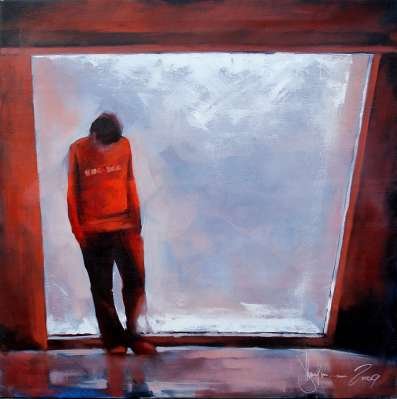
Night Walks presents a solitary figure standing at the edge of a large illuminated opening, surrounded by a dark red and blue interior. The person appears to be a woman wearing a vivid red top and dark trousers, her head lowered slightly as she stands with her weight shifted to one side. Her posture suggests a pause rather than a moment of hurried movement, creating a sense of quiet observation.
The figure is positioned toward the left side of the composition, leaving a large area of pale, almost empty space extending across the center and right. This open field is framed by dark reddish architectural elements, resembling a doorway, window or large opening onto an indistinct exterior. The exact setting remains deliberately undefined.
Light plays a central role in the painting. The pale blue-grey area behind the figure is much brighter than the surrounding interior, creating a strong contrast between illumination and shadow. The figure's red clothing becomes the dominant warm accent within this otherwise cool and subdued environment.
Shulman uses broad, visible brushwork throughout the painting. The illuminated background is built from overlapping passages of white, blue, grey and muted violet, with individual strokes remaining visible on the surface. Rather than describing a specific location in precise detail, these marks create an atmospheric sense of space and changing light.
The dark red framing elements provide a structural counterpoint to the pale opening. Their irregular edges and varied tones reinforce the expressive quality of the painting, while the horizontal floor beneath the figure introduces another reflective surface. A faint reflection of the figure can be seen extending across the lower portion of the composition, connecting the physical presence of the person with the surrounding space.
The relationship between the figure and the empty illuminated area is central to the work. The person seems to be looking downward or away from the viewer, while the expansive space ahead remains undefined. This creates an impression of a private moment caught between movement and stillness.
The limited palette is particularly effective. Deep reds and near-black tones dominate the architectural surroundings, while pale blue and grey occupy the central opening. Against these colors, the red clothing provides a concentrated visual accent and draws attention immediately to the human figure.
As with several of Shulman's paintings, the scene remains open to interpretation without requiring a specific narrative. It can be viewed simply as a figure paused during a nighttime journey, but the contrast between the enclosed dark interior and the luminous space beyond also gives the work a strong atmospheric character.
Night Walks demonstrates Shulman's interest in placing human figures within simplified, expressive environments. The recognizable figure provides a clear point of reference, while the surrounding architecture, light and reflection are handled more freely. The result is a restrained contemporary figurative painting in which an ordinary moment becomes visually charged through composition, color and light.
39.37 H x 39.37 W x 1.97″ x / 100 H x 100 W x 5 cm
Butterfly 2 presents a solitary female figure seen from behind, standing against a broad, softly textured field of grey, violet and muted blue. She wears a loose white dress, while her dark hair falls across her face and shoulders. Her arms are extended outward, creating a strong horizontal line that contrasts with the vertical movement of the body.
The unusual posture gives the figure a sense of lightness and suspension. With her arms spread and the white fabric opening around her body, she appears almost weightless, as though caught in a moment between movement and stillness. This visual quality connects naturally with Igor Shulman's original title Moth, suggesting the fragile movement of an insect in flight rather than a literal representation of one.
The composition is built around a restrained palette. The pale figure stands against a darker rectangular background whose loose brushwork shifts between violet, grey, blue and muted earth tones. The simplicity of the setting draws attention to the figure’s silhouette and gesture. Her bare legs and red shoes introduce a sharp vertical accent beneath the white dress, giving the lower part of the composition additional tension.
There is an ambiguity to the scene: the woman may be dancing, stretching her arms, balancing or simply standing in a private moment of freedom. Shulman leaves the surrounding space deliberately undefined, allowing the figure’s gesture to carry much of the emotional meaning.
The square format reinforces the feeling of a contained, almost theatrical space. Rather than telling a specific story, Butterfly 2 concentrates on movement, vulnerability, transformation, and the contrast between the human figure and an atmospheric, abstract environment.
ℹ
Subject: People and Portraits, Children
Style: Expressionism
Medium: Oil on Canvas
Themes: Antiglamour, Female Figure, Young Woman, Provocation, Humour, Sexuality, Nonconformity, Irony, Human Behaviour, Social Commentary, Gesture, Red Hair, Cropped Composition, Expressive Brushwork, Contemporary Figurative Art, Figurative Expressionism
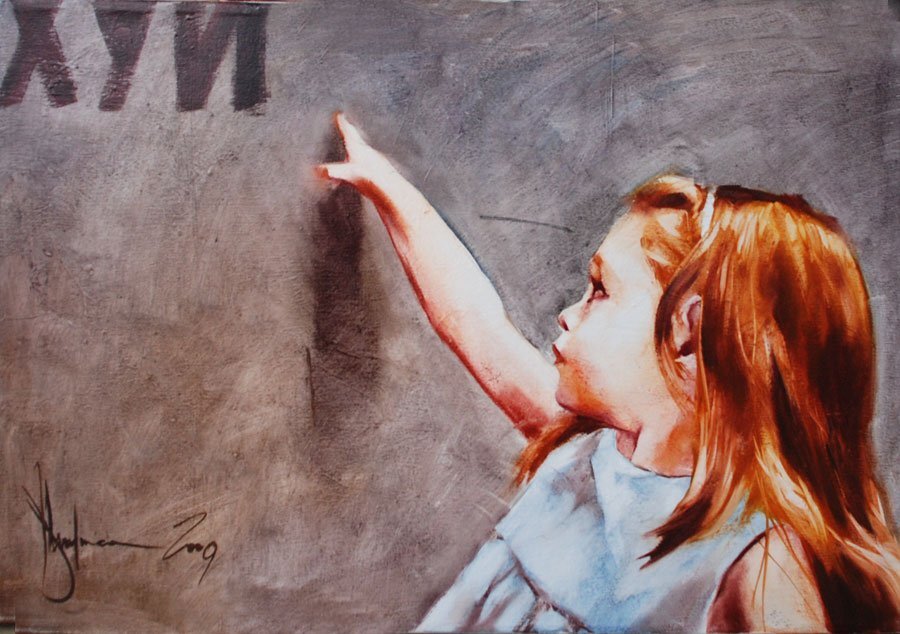
Antiglamour Girl belongs to Igor Shulman’s Antiglamour series, in which the artist deliberately moved beyond conventional ideas of beauty, fashion, and polished presentation. The works in this series introduce elements of provocation, humour, sexuality, awkwardness, and everyday reality, creating images that resist the expectations of conventional glamour.
The painting shows a young woman in profile, reaching upward with one arm toward the edge of the composition. Her reddish hair catches the light, while her pale blue clothing creates a strong contrast against the broad grey-brown surface behind her. The figure is tightly cropped, bringing her gesture and expression into immediate focus.
The background is intentionally rough and restrained. Rather than providing a clearly defined setting, Shulman builds it from broad areas of muted grey, brown, violet, and warm earthy tones. A fragment of large lettering appears at the upper edge, partially cut off by the frame. This incomplete element adds another layer of ambiguity to the scene.
The extended arm creates a strong diagonal through the composition, while the woman's profile and flowing hair provide softer, more organic forms. The contrast between precise observation of the figure and the raw painterly treatment of the surrounding space is central to the work.
The painting also reflects Shulman’s interest in presenting the human figure outside conventional idealised settings. Instead of constructing a polished image of femininity, he places the subject in an unusual and deliberately provocative context. The resulting tension between attractiveness, awkwardness, humour, and confrontation is characteristic of the Antiglamour concept.
Shulman personally selected the works included in the Antiglamour collection. In his own text about the series, he described this approach as a way of making his work sharper through provocation and humour, while giving himself greater freedom to move beyond established ideas of glamour. Igor Shulman's Antiglamour collection
Dated 2009, Antiglamour Girl represents an early work within this body of paintings and demonstrates the combination of figurative observation, expressive brushwork, and deliberate provocation that defines the series.
Some archived artworks may be available as prints upon request.
Learn more.